
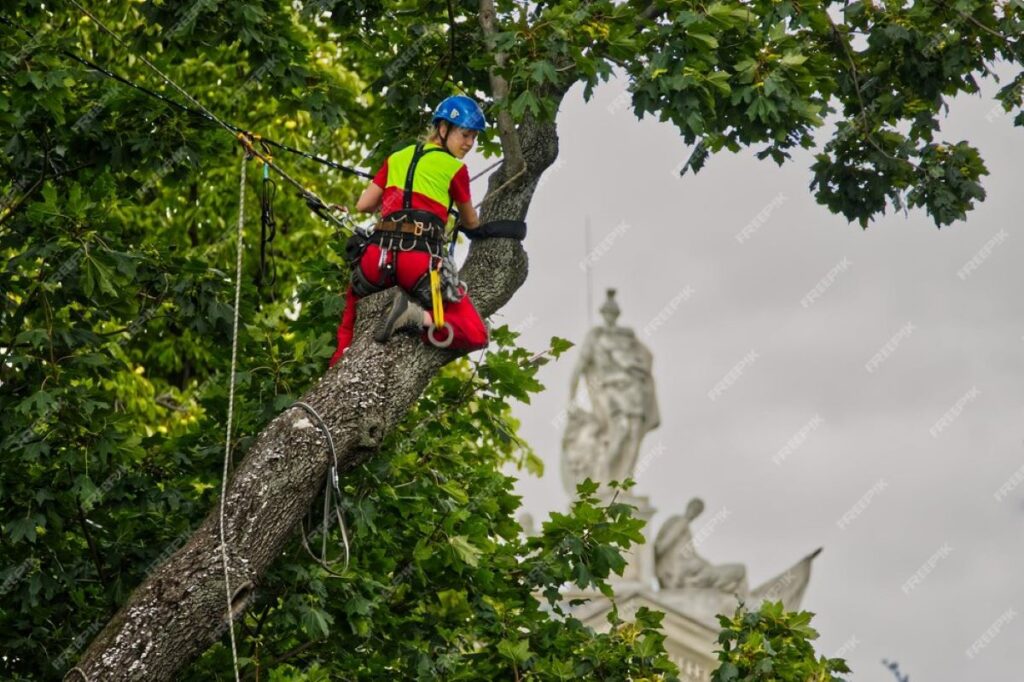
Sydney’s urban jungle is dotted with trees that not only provide shade and beauty but also sometimes need to be removed. The cost of tree removal in Sydney can differ significantly from one quote to another. This variation can be attributed to several factors, which not only influence the complexity of the task but also determine the level of expertise and equipment required. Let’s explore the details behind these cost differences.
Understanding the factors that influence tree removal cost Sydney can help property owners plan and budget more effectively. Whether you’re removing a small tree in a backyard or a large, mature tree with an extensive canopy, knowing what drives pricing in Sydney ensures you receive a fair and competitive quote. The following sections explore key elements such as tree size, location, council regulations, access conditions, and potential hidden charges that may impact your overall tree removal cost Sydney.
With this knowledge, you can approach tree removal professionals with greater confidence. The information below explains the process in detail and highlights common pitfalls that can unexpectedly increase tree removal cost Sydney, helping you make informed decisions and avoid unnecessary expenses.
Factors Influencing Tree Removal Costs
Tree Size and Height
One of the primary factors affecting tree removal costs is simply size. Small trees, generally those up to 5 metres in height, usually cost between $150 and $400 to remove. However, as trees grow larger, both in height and breadth, the complexity of removal operations increases. Larger trees, reaching 10 to 20 metres, might cost anywhere from $800 to $1,500, while extra-large trees over 20 metres in height can run upwards of $7,000.
Height also plays a crucial role. Removing a tall tree requires specialised equipment and often more crew labour to ensure complete safety. This is why tree removal quotes can vary so widely, as a taller tree generally demands more time and higher-skilled professionals to conduct removal without causing damage to nearby property.
Besides physical size, the tree’s branching structure matters too. Trees with dense canopies or intertwined branches may require additional cutting and careful dismantling, which not only increases labour hours but also escalates the tool and safety equipment requirements.
Location and Accessibility
Access is another clear determinant when it comes to pricing. Trees located in hard-to-reach areas, such as backyards with limited access, narrow spaces, or those near power lines and structures, naturally require extra care. If machinery has to be brought in under tight conditions, extra time and special strategies will be required, thereby influencing the overall cost.
Often, the tree’s proximity to buildings or public property may necessitate additional safety measures and permits. Removal crews might have to erect temporary fencing or implement controlled demolition techniques, which can further increase expenses. Such challenges are more common in dense urban environments like Sydney, where space is often at a premium.
Additionally, accessibility might be hindered by factors such as steep terrain or compact garden areas. In such cases, removal experts might need to dismantle the tree in sections to prevent accidental damage. This step-by-step process, while necessary for safety, can also add time and separate charges to the overall quote.
Tree Species and Condition
Not all trees are created equal. The species of the tree and its current condition play a significant role in determining removal costs. Bridges between easy-to-manage species and those with intricate root systems are major pricing influencers. For example, a healthy, well-maintained tree might be easier to remove compared to one affected by disease or decay.
Older trees or those weakened by storms can present additional hazards such as unstable limbs or rotting wood, making the removal process riskier. Professionals often charge more in such cases because of the specialised skills and enhanced safety measures required to handle a tree in poor condition.
Species-specific nuances also affect cost. Some trees have wood that tends to splinter unpredictably or has a particularly dense structure. Such characteristics may require tailored techniques or extra labour to safely manage every part of the tree from start to finish.
Additional Services Required
The complexity of tree removal projects often demands additional services. Beyond the cutting and felling of a tree, stump grinding and debris removal are common extra expenses. Stump grinding costs can range from $150 to $500, depending on the stump size and location on the property.
Debris removal, a step that ensures your property is left clean and safe post-removal, usually adds another $50 to $200 to the overall cost. Companies may also charge for additional equipment transportation, cleanup, or site restoration-especially when the area is used intensively or if there’s a need to meet strict municipal guidelines.
Emergency or unplanned removals often come with a premium. Should a tree fall unexpectedly or require urgent attention due to safety risks, services may be 20 to 50% more expensive than standard rates. These added expenses are necessary to cover the higher operational costs and immediate response logistics.
Council Regulations and Permits
Understanding Local Council Regulations
Sydney’s local councils have rigorous regulations that many trees must comply with. Particularly, trees deemed heritage-listed or those located in conservation areas are often protected by strict guidelines that aim to preserve the city’s natural heritage. If your tree falls into this category, additional permits and inspections become mandatory before removal can occur.
This protective framework means that, in some cases, tree removal might not only involve the physical act of cutting down but also navigating through administrative procedures. These extra steps tend to elevate both the service cost and the overall timeline for a safe removal process.
The process for obtaining these permits frequently involves surveys by qualified arborists and local council representatives. If a tree is designated as significant due to its age, cultural value, or ecological contribution, extra fees may be incurred along with potential stipulations regarding how and when the tree must be removed.
Catalogue of Permit Fees and Associated Charges
Permit fees vary based on the tree’s location and its classification. In certain suburbs of Sydney, heritage-listed trees can command additional costs that go well above standard removal fees. As councils attempt to buttress local natural landscapes, these charges have gradually increased.
For property owners, it is essential to factor in these potential extra costs when planning a removal project. Engaging an experienced tree removal service can help navigate the council’s labyrinth of permits, as professionals often have established relationships with local authorities and a deep understanding of the regulations.
Potential delays caused by permit applications also need to be considered-especially if the tree poses a danger. While safety is paramount, delays in obtaining permits can affect budget planning and the urgency of the removal process. This administration component is one of the reasons why quotes can vary between companies, depending on their expertise and local knowledge.
Safety Regulations and Inspection Policies
Safety regulations in Sydney continue to evolve, impacting how tree removal services are conducted. Stricter safety protocols, improved equipment standards, and mandatory inspections have raised the bar for anyone holding a licence for this work.
With enhanced safety measures comes additional cost, often built into quotes as job complexity increases. Each project is assessed on its merits, and companies will adjust their fees according to the level of risk involved. This means that a seemingly simple removal might escalate in price if there is any sign of structural instability or if the tree’s proximity to utilities creates potential hazards.
These regulations are in place to ensure the safety of both the removal teams and nearby residents. They require rigorous training and certification, which indirectly contributes to higher service fees. Clients who prioritise safety and compliance should expect to pay a premium, as these organisations invest heavily in meeting and exceeding industry standards.
Breakdown of Typical Costs
Cost Ranges Based on Tree Size
To better understand the pricing structure in Sydney, it’s useful to break down the costs according to the size of the tree. Small trees, usually growing up to 5 metres, may cost between $150 and $400 to remove. This range generally reflects straightforward jobs that don’t require specialised equipment or significant labour.
Medium trees, which typically range from 5 to 10 metres, start at around $400 and can go up to $800. The increased price is due largely to the additional time and safety equipment needed to handle larger canopies and thicker trunks. For both homeowners and business owners, this cost is usually manageable with careful planning and multiple quotes.
Larger trees, those stretching between 10 to 20 metres, are more complex to manage. Removal can cost anywhere from $800 to $1,500, largely because these trees often demand dismantling in sections, specialised cranes, and higher manpower. Clients often discover that quotes vary, in part reflecting individual company policies on equipment usage and risk management.
Extra-Large Trees and Complex Projects
Extra-large trees, particularly those exceeding 20 metres, typically fall into the higher pricing bracket, with quotes potentially reaching over $7,000. Removal of such trees is an intensive task that requires in-depth planning, more skilled personnel, and sometimes PPE (personal protective equipment) compliance that goes beyond everyday standards.
Complex projects often involve additional elements such as the need for tree felling under hazardous conditions, removal from awkward urban settings, or working close to power lines and structures. These factors contribute significantly to price increases and justify the higher costs through the implementation of advanced safety measures and experienced labour utilisation.
The quoted price might also include services like debris removal or stump grinding. For instance, stump grinding may increase costs by $150 to $500, and debris removal might add another $50 to $200. The inclusion of these services in the overall package can sometimes mean the difference between an all-inclusive, hassle-free project and a piecemeal approach that might cost more in the long run.
Additional Hidden Costs
Beyond the primary charges for tree removal, there are several hidden or supplementary costs that owners should be aware of. These might include unexpected damage to landscaping, property preparation, and clean-up fees, each of which can be substantial. Extra charges might also be applied for services rendered on weekends or during after-hours emergency operations.
Emergency services, for instance, often carry a higher fee-sometimes 20–50% above the standard rates. Such emergency removals are typically requested when trees fall unexpectedly or pose an imminent threat to safety. When you request these urgent services, you are essentially paying for a rapid response team equipped to handle disasters efficiently.
Seasonal variations and rising fuel costs or insurance premiums are known to affect the final cost. Industry experts anticipate a 5–10% increase in tree removal prices in 2025 alone as a result of these factors. It’s wise to ask detailed questions about what is included in any given quote to avoid surprises after the work is completed.
Impact of Additional Services and Emergency Situations
Stump Grinding and Debris Removal
Stump grinding is a service many customers opt for to ensure that no remnants of the tree hinder future landscaping projects. The process involves grinding the stump into small chips, making the area easier to manage and more aesthetically pleasing. However, stump grinding can often add between $150 and $500 to your overall bill.
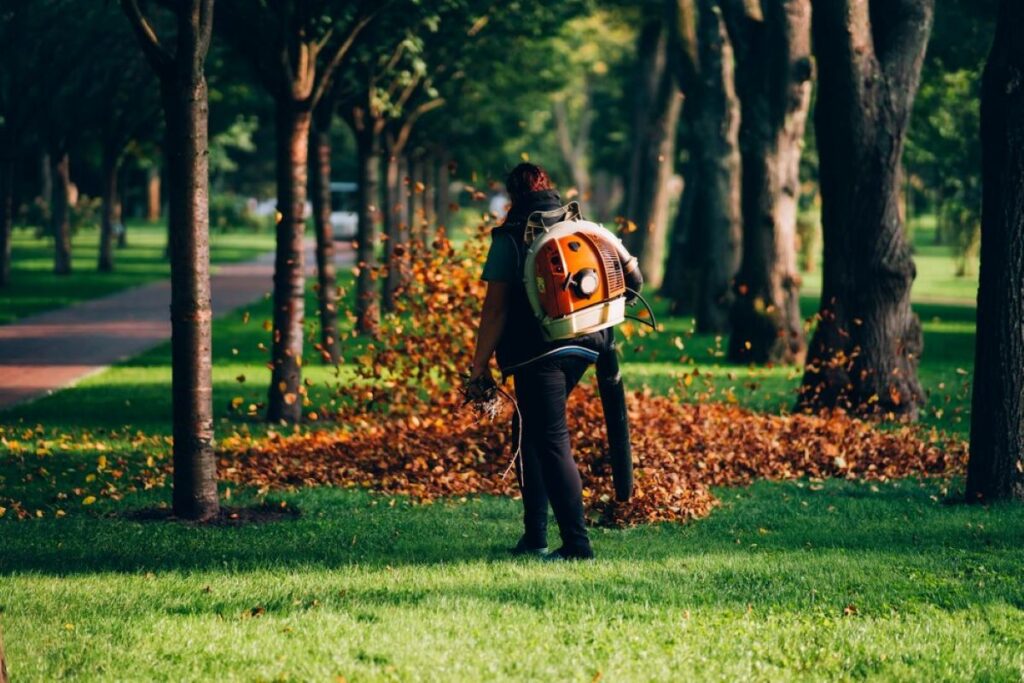
Debris removal is another task that comes at an extra cost. This service ensures that all remnants of the tree-branches, leaves, and wood chips-are removed from the site. While the final clean-up might seem like a minor detail, it’s an essential service for those who prefer not to deal with the post-removal mess. Prices typically range from $50 to $200, but can vary depending on the amount of debris produced.
Both services are worth considering, especially if you have a large or particularly complex tree removal job. By organising these additional services up front, you reduce the risk of unexpected costs later. Confirm with your service provider whether these services are included in the initial quote or if they will be billed separately.
Emergency Removals and Rapid Response
When nature throws a curveball-be it a storm or a fallen tree threatening structures-emergency removals become indispensable. These reactive services come at a premium, reflecting the immediate response and additional safety precautions needed to manage potentially hazardous conditions. It is not unusual for emergency services to cost between 20% and 50% more than standard rates.
The cost disparity in emergency removals is largely attributable to shorter notice times and the operational challenges of mobilising expert crews, specialised equipment, and safety measures on the fly. Sydney-based service providers often reserve premium pricing for rapid-response situations, a necessary step to cover the extra risks and administrative hassle involved in urgent work.
Even during emergencies, the factors underpinning the removal costs still apply-tree size, location, and condition. Emergency removals, however, can sometimes mask these factors behind urgent pricing models. It pays to compare providers in non-emergency conditions once the immediate threat is mitigated, ensuring you’re not inadvertently overcharged during critical moments.
Insurance and Specialist Equipment Charges
Insurance premiums and specialist equipment are another pair of considerations that influence quotes. Tree removal is a high-risk activity, and most reputable companies carry comprehensive insurance to protect both their crew and your property. These insurance costs are clearly factored into the final quote, meaning a higher price for an extra layer of protection.
Specialist equipment such as cranes, bucket trucks, and cable systems are often required to execute safe removals. The use of such equipment not only speeds up the process but also mitigates the risks associated with falling trees or scattered debris. However, employing modern machinery also means higher operational costs, which are naturally passed on to the customer.
While this may drive up the quote, it provides peace of mind knowing that safety is prioritised. When comparing quotes, it is beneficial to check what level of insurance and what type of equipment will be used on your particular project, as this transparency can help justify any pricing differences between service providers. You may like to visit https://realpropmart.com/whats-included-in-professional-tree-removal-services-sydney/ to get what’s included in professional tree removal services Sydney?.
Future Trends and Considerations
Rising Costs and Economic Influences
The tree removal industry in Sydney is not immune to the impacts of broader economic changes. Rising fuel costs, increased insurance premiums, and evolving safety regulations have all contributed to a general trend of increasing prices. Industry experts suggest that prices could climb by 5–10% in 2025, adding to the impetus for property owners to plan carefully ahead of time.
This gradual price increase is something that property owners should consider when budgeting for tree removal. Even if the current quote seems manageable, it is wise to account for the long-term trajectory of costs, especially if your project might get delayed or if similar work has been deferred in the past.
These developments also reinforce the importance of obtaining multiple quotes. Comparing prices not only helps you spot a competitive rate but also provides insight into how each company distributes its costs-be it through labour, equipment, or specific additional services. A thorough cost analysis can prevent surprises as market conditions continue to evolve.
Environmental and Community Considerations
As environmental awareness grows, more attention is being given to the fate of removed trees and the impact on local ecosystems. Many Sydney councils encourage or even mandate replanting in place of tree removal, aiming to better manage urban green spaces. While this may not directly affect immediate costs, it is an important consideration in planning your project.
Some removal services include post-removal site restoration or even discount offers for replanting new native species. These community and environmental initiatives underscore the broader responsibility of managing urban forestry in a sustainable manner. Clients interested in long-term ecological impact can discuss these options with their service providers to gauge any additional costs or benefits.
Investment in sustainability can have long-term financial and environmental benefits. A company dedicated to these practices may charge a premium, but that price often reflects a commitment to responsible tree management and ecosystem preservation. Ultimately, this balance between cost and responsibility is essential for maintaining Sydney’s reputation as a city in harmony with nature.
Technological Advances in Tree Removal
In recent years, the tree removal industry has embraced technological advances that enhance both safety and efficiency. New equipment, improved safety gear, and drone inspections are just some of the innovations that are driving this evolution. While these improvements can lead to higher initial quotes, they also promise better outcomes and reduced risks during the removal process.
Technology not only streamlines methods but also offers a higher degree of precision when it comes to handling complicated projects. Enhanced planning tools allow for a comprehensive assessment of potential hazards, meaning that service providers can customise their approach to the unique needs of your property. The integration of new technologies acts as a significant factor in cost determination as companies pass on the benefits of these innovations to consumers.