
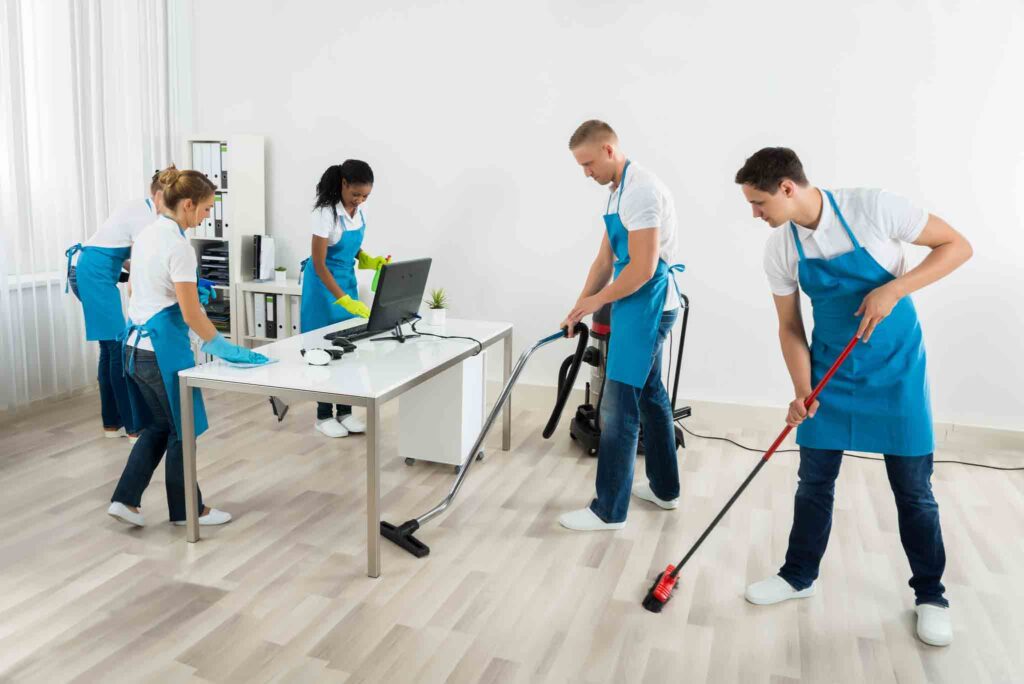
This guide breaks down what a good team typically does, how they work, and what an office should expect before, during, and after each visit.
What should a professional office cleaning service include as standard?
A professional team usually covers high touch points, shared spaces, and visible presentation areas every visit. They should also tailor the checklist to the site, rather than using a generic template.
Standard inclusions from office cleaners Sydney often cover reception and entry areas, workstations (within agreed rules), kitchens and break rooms, bathrooms, bins, floors, and glass or spot cleaning where needed. They should also restock consumables if the office supplies them, then report low stock before it runs out.
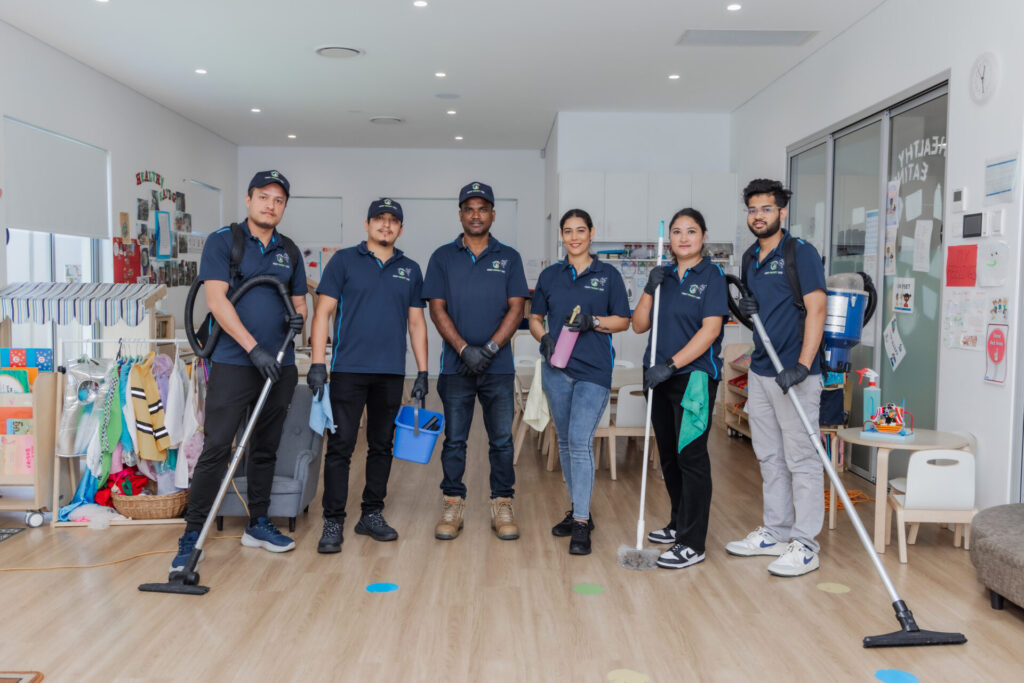
How do they tailor cleaning to different office types in Sydney?
They should adjust the scope to match foot traffic, layout, and the kind of work done onsite. A medical admin office, a legal firm, and a coworking space all need different priorities.
A professional team usually starts with a walkthrough and builds a site specific checklist. They may schedule higher frequency bathroom and kitchen cleans for busy offices, or focus on meeting rooms and client areas for customer facing businesses. They should also note sensitive zones like server rooms or storage and set rules for access.
What level of reliability and consistency should an office expect?
They should deliver the same result each visit, regardless of which cleaner is on the roster. Consistency is usually the biggest difference between a professional service and an informal one.
A reliable team tracks tasks, uses checklists, and has a supervisor or quality process. They should arrive within the agreed time window, log attendance where required, and notify the office early if any change is unavoidable. If there is an issue, they should fix it quickly without debating whether it “counts.”
How do professional cleaners handle security, keys, and alarm protocols?
They should have a clear, documented process for access that protects the office and reduces risk. Their staff should follow key control rules and respect restricted areas.
A professional team typically supports key sign in and sign out, lockboxes, or coded entry. They should record alarm codes securely and limit access to only those who need it. They should also confirm end of shift lock up expectations in writing, including what to do if an alarm triggers or a door is found unsecured.
What cleaning products and equipment should they bring, and what should an office provide?
They should bring commercial grade products and equipment suited to the surfaces onsite. The office should only need to provide consumables if that is the agreed arrangement.
Professional teams often supply vacuums, mops, microfiber systems, disinfectants, and bathroom cleaners. Many also offer eco friendly options on request. The office may provide paper towels, toilet paper, hand soap, bin liners, and dishwasher tablets depending on the contract. Either way, they should list who supplies what so nothing is missed. you may like to visit https://www.tga.gov.au/resources/guidance/understanding-regulation-disinfectants-sterilants-and-sanitary-products to get more about “Understanding regulation of disinfectants, sterilants and sanitary products”.
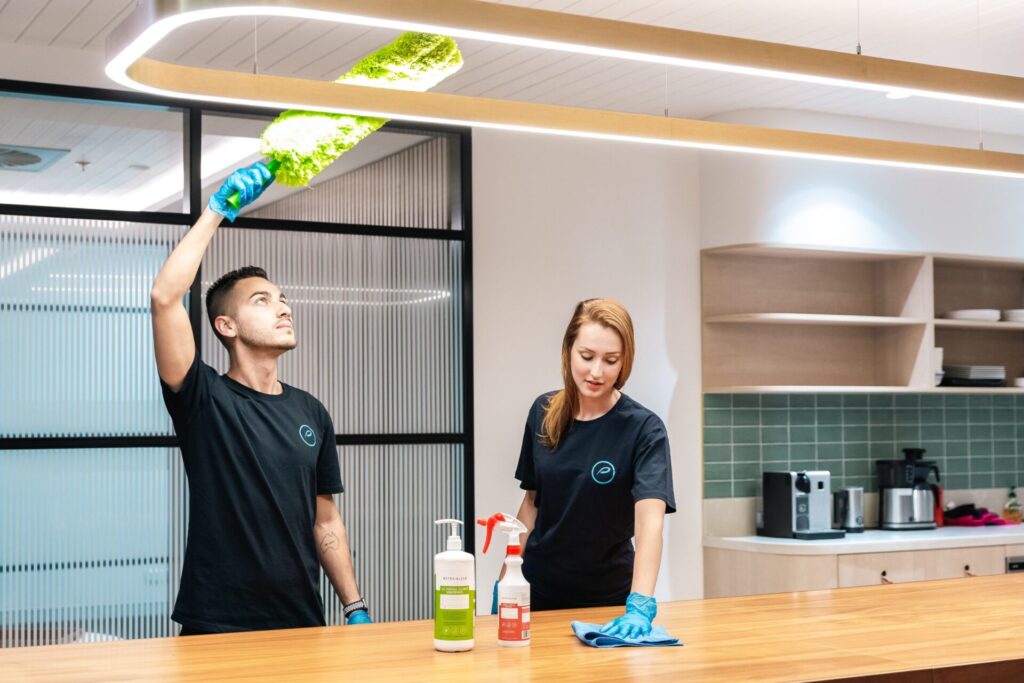
How do they manage hygiene, touchpoint cleaning, and infection control?
They should prioritise touchpoints and shared areas where germs spread fastest. A professional team should also avoid cross contamination through basic process discipline.
They typically disinfect door handles, light switches, tapware, microwave and fridge handles, and shared desk areas if included. In bathrooms and kitchens, they should use separate cloths and tools, then dispose of waste safely. If the office has higher hygiene needs, they should offer a defined disinfecting scope rather than vague “sanitising.”
What should communication and reporting look like with a professional team?
They should make it easy for the office to raise issues, request add ons, and confirm what was done. Good communication is usually simple, fast, and documented.
A professional service often provides a primary contact, a way to log requests, and a process for feedback. They may share visit notes, restocking alerts, and incident reports such as spills, damage noticed, or maintenance issues like leaking taps. If something cannot be completed, they should explain why and propose a fix.
How should quality control and inspections be handled?
They should check their own work and welcome occasional audits. Quality control should not rely on the office manager noticing problems.
Many professional teams use periodic inspections, photo checklists for key areas, or supervisor spot checks. They should also have a clear method for handling complaints, including response times and re cleans. If standards slip, they should adjust training, staffing, or the checklist, not just apologise and move on.
What add on services should be available when needed?
They should offer periodic deep cleaning and specialist services so the office does not need multiple vendors. Add ons should be clearly priced and scheduled.
Common add ons include carpet steam cleaning, hard floor strip and seal, detailed kitchen cleans, high dusting, internal glass, upholstery cleaning, and end of lease style resets. A professional team should recommend sensible frequencies based on wear and traffic, rather than selling unnecessary extras.
How should pricing and quotes be structured for office cleaning in Sydney?
They should quote based on scope, frequency, and site conditions, not guesswork. A professional quote should be transparent and easy to compare.
Pricing is often driven by visit length, number of bathrooms and kitchens, floor types, desk density, and after hours access requirements. They should confirm what is included, what is excluded, and how often each task is done. They should also clarify whether consumables, parking, and periodic services are billed separately.
What red flags suggest a cleaning team is not truly professional?
They should not be difficult to reach, vague about scope, or inconsistent on site. Most problems show up early if expectations are not documented.
Red flags include no written checklist, frequent staff changes with no handover, missed visits, poor bathroom results, and unclear invoicing. Another common warning sign is a team that avoids site walkthroughs or refuses to discuss quality control. If they cannot explain their process, they likely do not have one.
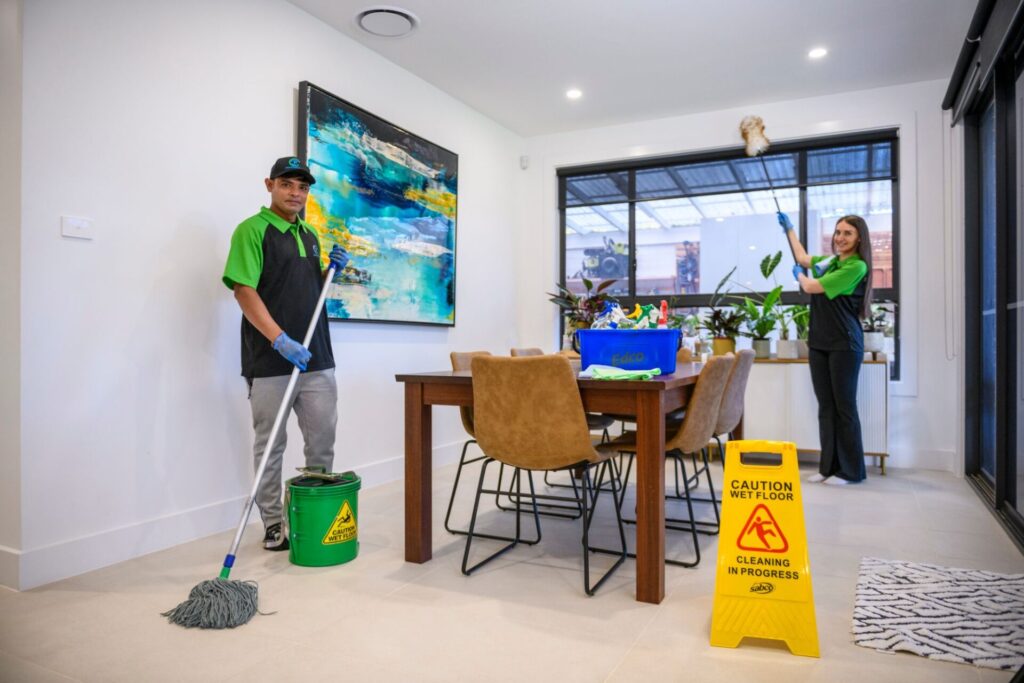
What should an office do before the first clean to get the best results?
They should agree on scope, access rules, and priorities before the first visit. A short setup prevents months of frustration.
The office should share floorplans if available, confirm any restricted rooms, and label supplies if the office provides them. They should also list pain points such as smelly bins, stained kitchenette benches, or dusty vents. A professional team should then convert that into a clear checklist and a realistic schedule so expectations match what is actually delivered.
Related : Cleaners Bankstown: What Services Are Included for Local Businesses?
FAQs (Frequently Asked Questions)
What should a professional office cleaning service in Sydney include as standard?
A professional office cleaning service in Sydney should cover high touch points, shared spaces, and visible presentation areas during every visit. This includes reception and entry areas, workstations (within agreed rules), kitchens and break rooms, bathrooms, bins, floors, and glass or spot cleaning as needed. They should tailor the checklist to your specific site rather than using a generic template, restock consumables if provided by the office, and report low stock before it runs out.
How do professional cleaners tailor their services to different types of offices in Sydney?
Professional cleaners adjust their scope based on foot traffic, layout, and the nature of work at your site. For example, a medical admin office, legal firm, or coworking space each has unique priorities. They typically start with a walkthrough to build a site-specific checklist and may schedule more frequent bathroom and kitchen cleans for busy offices or focus on meeting rooms for client-facing businesses. They also recognize sensitive zones like server rooms and set access rules accordingly.
What level of reliability and consistency can an office expect from a professional cleaning team?
A professional cleaning team delivers consistent results on every visit regardless of which cleaner is assigned. They track tasks using checklists, have supervisors or quality control processes in place, arrive within agreed time windows, log attendance if required, and notify the office promptly of any unavoidable changes. If issues arise, they address them quickly without debate to ensure standards are maintained.
How do professional cleaners manage security protocols such as keys and alarms?
Professional cleaners follow clear documented procedures to protect your office’s security. They implement key control policies including sign-in/sign-out systems, lockboxes, or coded entry methods. Alarm codes are securely recorded with access limited only to necessary staff. End-of-shift lock-up expectations are confirmed in writing covering actions if alarms trigger or doors are unsecured.
What cleaning products and equipment do professional office cleaners bring versus what should an office provide?
Professional teams bring commercial-grade products and equipment suited for your surfaces—such as vacuums, mops, microfiber systems, disinfectants, and bathroom cleaners—and often offer eco-friendly options upon request. Typically, the office supplies consumables like paper towels, toilet paper, hand soap, bin liners, or dishwasher tablets depending on contract terms. Responsibilities for supplies should be clearly listed to avoid omissions.
How is hygiene maintained with respect to touchpoint cleaning and infection control?
Professional cleaners prioritize disinfecting high-touch points such as door handles, light switches, tapware, microwave/fridge handles, and shared desks when included. They use separate cloths and tools for bathrooms and kitchens to avoid cross-contamination and safely dispose of waste. For offices with higher hygiene needs, they provide clearly defined disinfecting scopes rather than vague sanitizing claims to effectively control infection risks.