
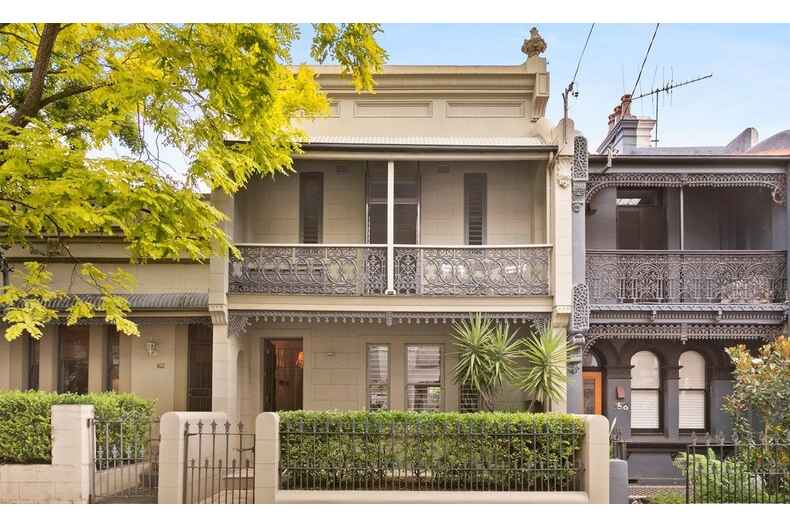
Heritage homes in Paddington carry a rich blend of character, cultural significance and a storied past that many buyers find irresistible. However, behind each beautiful façade lies a complex tapestry of maintenance issues, heritage overlays and fluctuating market conditions. A seasoned Paddington buyers agent knows how to navigate these intricacies, ensuring that every potential purchase not only meets aesthetic and historical expectations but also makes financial sense. This comprehensive approach aligns with local market statistics, expert insights and current property trends, such as the suburb’s median house price of approximately $3.675 million and rising demand for large terraces.
From the buzz of a suburb known for its picturesque rows of terraces to record-setting sales like the recent $20 million apartment transaction, the Paddington property market is as dynamic as it is competitive. Paddington buyers agent use a series of established criteria to assess heritage properties, ensuring that every asset meets rigorous standards of historical integrity, structural soundness, and future investment potential.
Understanding the Significance of Heritage Homes
Historical and Cultural Value
Heritage homes are more than just structures; they represent the architectural and cultural narrative of a community. Paddington, known for its cohesive mix of Victorian and Federation-era architecture, is a testament to Sydney’s rich history. Each home tells a unique story, from architectural design details to the evolution of neighbourhoods over decades.
Buyers agents pay special attention to details such as original fixtures, period-specific embellishments, and the involvement of the property in the historical context of the suburb. The charm of these homes often lies in their retained authenticity and historical significance, which come with both pride and responsibility.
For investors and homeowners alike, recognising the historical and cultural value of a property is fundamental. Knowledge of heritage conservation practices, local council guidelines and restoration challenges are essential aspects that buyers agents discuss and assess regularly.
Architectural Integrity and Preservation
The architectural integrity of heritage homes forms a critical pillar in their overall appeal. A Paddington buyers agent carefully evaluates how well the property has retained original design elements and whether any modern interventions compromise its authenticity. Maintaining the original structure is important for preserving the property’s heritage status while also optimising future resale value.
Restoration work must adhere to strict guidelines and standards, often requiring specialist tradespeople familiar with heritage conservation. As agent Ben Collier has noted, Paddington’s charm comes from its picturesque rows and cohesive architectural design, requiring careful handling during any potential renovations.
This means that buyers agents work closely with architects, conservation specialists and local councils to ensure that any restoration or improvement projects respect the home’s heritage values while meeting contemporary living standards.
Market Dynamics and Financial Considerations
Current Market Trends
Understanding the current market dynamics is a fundamental aspect of assessing heritage properties in Paddington. Recent data shows that the suburb’s median house price hovers around $3.675 million, with some properties experiencing substantial value increases. In fact, statistical studies reveal a rise of about 63.2% over the past five years, demonstrating a robust demand and an optimistic investment climate.
This steady growth in property value encourages both first-time buyers and seasoned investors. By evaluating historical price movements alongside present market conditions, buyers agents can provide clear financial forecasts and investment strategies tailored specifically for heritage homes.
These market dynamics also serve to highlight how a heritage property might perform over time compared with modern developments, particularly in a suburb where architectural style and historical context play a significant role in driving market interest.
Cost of Ownership and Maintenance
One of the primary considerations when assessing a heritage home is the cost of ongoing maintenance and potential restoration. Older properties often require bespoke repairs, specialised materials, and skilled labour to ensure that renovations are in keeping with heritage guidelines. A buyers agent examines the condition of key structural components such as roofs, facades and foundations, which often necessitate explicit attention.
Heritage properties may incur additional expenses in permitting, conservation fees and even specialised insurance coverage. These ancillary outlays should be factored into the overall financial planning, ensuring comprehensive budgeting and clear cost projections. Being informed about these costs allows buyers to negotiate or plan for any unexpected expenditures during the purchase process.
It is not only the daily upkeep that matters; long-term investments may involve upgrading electrical systems, plumbing or insulation in a manner that is sympathetic to the home’s heritage status. A proactive approach in assessing these factors ensures buyers are prepared for both anticipated and unforeseen maintenance challenges.
Evaluating Conditions and Structural Integrity
Thorough Property Inspections
Before embarking on any purchase negotiations, a rigorous inspection process is the cornerstone for success. A buyers agent arranges for comprehensive property checks that cut across aspects of structural integrity, environmental hazards and compliance with heritage conservation standards. It is crucial that every nook and cranny of the home is scrutinised to uncover both visible and hidden issues.
Engineers, architects and qualified inspectors are often part of the team that works on these detailed assessments. Their combined expertise ensures that each home can withstand the test of time, while still preserving its historic charm. Through meticulous documentation of any structural imperfections, buyers can form a precise understanding of the risks involved.
This layered approach to inspections is particularly effective in uncovering potential issues such as outdated wiring, dampness or deteriorating materials, which are common in heritage properties if not maintained properly. Buyers agents then present these findings with clear recommendations for repair or restoration, enabling informed decision-making.
Building Reports and Historical Documentation
Historical documentation is a treasure trove of vital information that supports the overall assessment of heritage homes. Buyers agents review old records, architectural plans and previous renovations to draw a comprehensive picture of the property’s past. Such documentation often highlights how well the home has been maintained over time and identifies any non-compliant alterations.
Building reports detailing the historical significance of architectural features, materials used and construction techniques are invaluable. These records serve as benchmark data for determining compatibility with modern-day building standards while respecting heritage value. A detailed understanding of the home’s history can also guide future restoration projects.
This thorough review not only includes physical documentation but also insights provided by past owners and local heritage experts. Together, these elements form a robust foundation for making well-informed purchase decisions that take into account both the charm and potential liabilities of a heritage property.
Legal and Planning Considerations
Council Regulations and Heritage Overlays
Heritage properties in Paddington are subject to extensive regulations by local councils. Buyers agents play a key role in liaising with planning authorities to ensure full compliance with local heritage overlays. Such regulations can heavily influence restoration methods and the range of approved modifications.
Knowledge of these legal intricacies is paramount. The process often involves navigating detailed documentation, planning permits and heritage conservation guidelines that govern how much a property can be altered. Buyers agents must be adept at interpreting these regulations to prevent future legal conflicts that might arise from property modifications.
This regulatory framework also means that any changes or improvements to the heritage property need to strike a balance between modern intervention and digital integrity. A proactive discussion with local authorities can provide clarity on what is permissible and what may require additional approvals or specialised interventions.
Contractual Details and Purchase Agreements
Legal due diligence in heritage homes extends beyond planning regulations. Buyers agents collaborate closely with solicitors to draft and review contracts that cover the complexities unique to heritage properties. Specific clauses and conditions may be applied to address conservation issues and potential future liabilities.
During the contract negotiation process, it is essential to establish a baseline for the cost of potential repairs or restoration efforts. These details ensure that the purchase agreement is comprehensive and protects the buyer’s interests against any unforeseen expenditures. The presence of a detailed, legally binding contract is particularly important in a market where heritage properties often fetch premium prices, such as the notable record-setting apartment sale over $20 million.
This legal certainty instils confidence in the buyer and smooths the path for performing subsequent restoration work. A transparent discussion of all contractual obligations not only safeguards the buyer but also establishes clear expectations between all parties involved in the transaction.
Assessing Investment Potential
Resale Value and Market Trends
Heritage homes in Paddington are not only prized for their aesthetics and historical significance but are also sound long-term investments. A buyers agent evaluates the resale potential by analysing market trends, local demand for heritage properties, and historical price performance. Evidence suggests that well-maintained heritage properties in this suburb have experienced a significant rise in value over recent years.
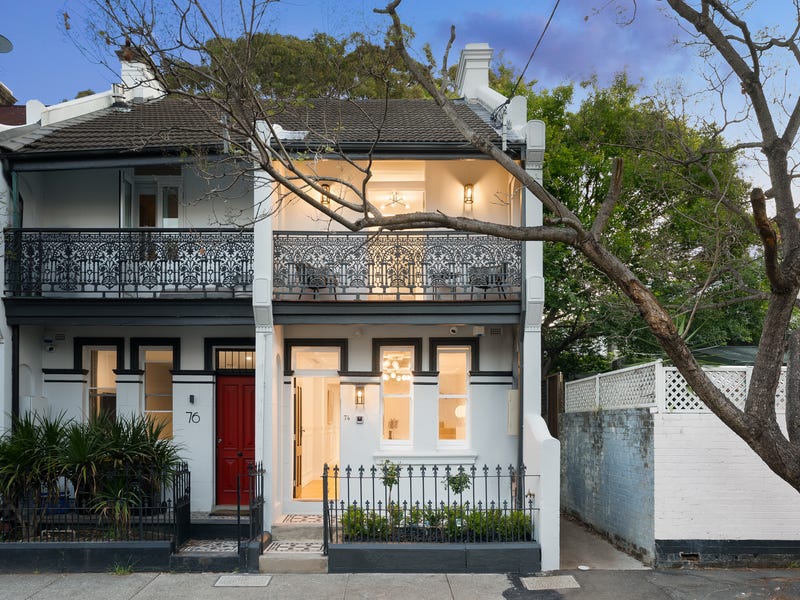
With a median house price that has seen robust growth and an increasing market demand, especially for large terraces, buyers can be confident that wise investments in heritage properties tend to reward owners in the long run. Past studies have highlighted a 63.2% increase over five years, reinforcing the notion that these historical homes hold significant value.
Investors must consider a multitude of factors, including the timing of the purchase, planned area developments and any upcoming changes to zoning laws that could affect future property values. By combining historical data with expert market analyses, buyers agents offer a comprehensive forecast for the investment future of each heritage property.
Renovation Potential and Future Value Additions
Beyond current market performance, the potential for purposeful renovations plays a critical role in enhancing the investment profile of heritage homes. Buyers agents assess whether a property can accommodate tasteful modern amenities without detracting from its historic charm. This balance is crucial for enhancing both functionality and resale appeal.
Remodelling plans that respect the original design while incorporating energy-efficient systems, modern kitchens and updated bathrooms often result in significant value additions. Buyers agents work with architectural and restoration experts to develop feasible plans that meet strict heritage guidelines yet offer modern comforts. These upgrades are typically reflected in higher market valuations.
Pre-development assessments, including cost estimates for any recommended improvements, are integral. Such planning allows buyers to negotiate better terms during the purchase or even request concessions from the seller to cover prospective renovation costs. This meticulous evaluation ensures that buyers can plan for a smooth transition from a heritage property to a modern home without compromising its historical essence.
The Role of a Buyers Agent in Heritage Home Evaluation
Expertise and Local Knowledge
A dedicated buyers agent is well-versed in the nuances of the Paddington property market. Their local knowledge and hands-on experience prove invaluable when assessing heritage properties. Professionals like Agent Ben Collier often highlight that the suburb is buzzing with a diverse mix of people, each contributing to its unique character.
This deep-rooted familiarity with local architectural styles, market trends and council regulations means that buyers can trust a comprehensive evaluation of a property’s strengths and challenges. A buyers agent is equipped to offer guidance not just on the purchase but also on long-term estate planning and potential capital growth.
The combination of formal education, industry insights and years of local experience means that buyers agents can quickly pinpoint issues that might otherwise go unnoticed. Their ability to integrate expert opinions with on-ground realities makes them an indispensable asset in the acquisition of heritage properties in a heritage-rich suburb like Paddington.
Negotiation and Advocacy
Securing a heritage home in a competitive market often requires robust negotiation skills and strategic advocacy. Buyers agents play a pivotal role in ensuring that their clients receive fair value while mitigating any identified risks in the purchase process. They adeptly balance the buyer’s expectations with market realities, often negotiating favourable terms that reflect the true worth of a heritage property.
Effective negotiation involves not only the price but also potential contingencies related to restoration work, special approvals, or any latent defects uncovered during inspections. A buyers agent’s commitment to thorough due diligence ensures that every price decision is anchored in both present market values and future potential. In a market where record-setting sales and high median prices create a premium atmosphere, every dollar saved or invested wisely counts.
This role extends to advocating for clients during legal and contractual discussions, ensuring transparency and fairness in all dealings. Such active engagement prevents any last-minute surprises and ultimately protects the buyers’ investment while respecting the integrity of the heritage property.
Practical Steps for Buyers: A How-To Approach
Initial Research and Property Shortlisting
The first step in purchasing a heritage home in Paddington is thorough research. Prospective buyers should familiarise themselves with local market data, historical property values and suburb-specific traits. Online tools, local news, and insights from reputable property experts provide a solid starting point. Detailed listings often include historical information, current market prices and relevant planning restrictions.
Next, creating a shortlist of potential properties is essential. Buyers agents help in narrowing down options based on preferred architectural features, desired neighbourhood characteristics and financial criteria. A well-compiled list can then be used as a basis for scheduling inspections and seeking further expert consultations.
Once the shortlist is ready, arranging preliminary viewing appointments and having an initial discussion with a buyers agent about each property’s background can provide clarity. This early phase is where due diligence begins to shape the buyer’s decision-making process and ensures that every potential home aligns with their expectations and long-term goals.
Detailed Inspection and Expert Consultation
After shortlisting potential homes, the next step involves a detailed inspection. Buyers agents coordinate with structural engineers, heritage specialists and building inspectors to assess the fine details of each property. At this stage, every aspect-from the condition of decorative features to the integrity of load-bearing walls-merits close scrutiny.
In-depth inspections include visual assessments, technical reports and consultations with heritage conservation experts. These combined efforts help in identifying any historical modifications or repairs that may influence the purchase decision. Paying special attention to roof conditions, dampness areas and even outdated installations ensures that potential risks are clearly documented.
Expert consultations often extend to discussions with local councils regarding heritage overlays and permitted modifications. Doing so confirms that the proposed restoration or internal changes comply with local regulations, preventing potential legal conflicts in the future. This detailed process offers buyers an unrivalled view of what each property truly represents in terms of maintenance and long-term investment potential.
Finalising the Purchase and Long-Term Planning
Once the inspections yield satisfactory results, the process moves towards finalising the purchase. This is when negotiation and legal verification are at the forefront. Buyers agents ensure that all findings from property inspections are accounted for in the final offer, making adjustments where necessary to address any uncovered issues.
Legal reviews, contract negotiations and detailed documentation of any necessary repairs or heritage authorisations form a crucial part of building a secure deal. Engaging with a trusted agent means that every detail-from the purchase price to the long-term maintenance plan-is clearly outlined and agreed upon. It’s a process designed to protect the buyer and maintain the historical essence of the property.
Once the purchase is finalised, long-term strategic planning begins. This includes budgeting for ongoing maintenance, scheduling any restoration projects and even planning for future property enhancements. A structured plan ensures that the heritage home not only retains its historical appeal but also meets modern living standards, thereby securing its long-term value.
Future Trends in Heritage Home Investments
Impact of Current Record Sales on Future Market Dynamics
Recent sales in Paddington, including notable record-breaking transactions, have set a new benchmark for property values in the suburb. Such high-profile sales influence both market sentiment and investor confidence. A record-setting sale, such as an apartment selling for over $20 million, directly impacts expectations when assessing the future value trajectory of heritage properties.
These trends indicate a robust market that largely appreciates well-maintained, historically significant properties. Buyers agents often refer to these successful transactions when advising clients, using them as case studies to illustrate the strong demand for heritage properties in desirable areas.
As these transactions become reference points, they encourage other buyers to consider heritage homes as a stable investment, despite the additional maintenance costs. With such strong figures, the market appears poised for continued growth, especially where architectural integrity and cultural preservation are key selling points.
Technological Advances in Restoration and Maintenance
Technology is transforming how heritage properties are maintained and preserved. From advanced structural analysis tools to 3D scanning techniques, modern methods are increasingly aiding in the conservation of heritage homes. Buyers agents consider these technological advances as significant factors that reduce the overall risk and cost of restoration projects.
Investments in modern restoration technologies can significantly streamline maintenance procedures, ensuring that any renovations are both efficient and cost-effective. These innovations have enabled heritage homes to better meet modern building standards without compromising historical integrity.
In a fast-evolving marketplace, the integration of technology in restoration efforts can enhance property longevity and value. This synergy between traditional charm and modern efficiency presents a compelling case for buyers wary of the high upkeep costs associated with older properties.
Conclusion: Embracing Heritage with Confidence
Strategic Decision-Making for Buyers
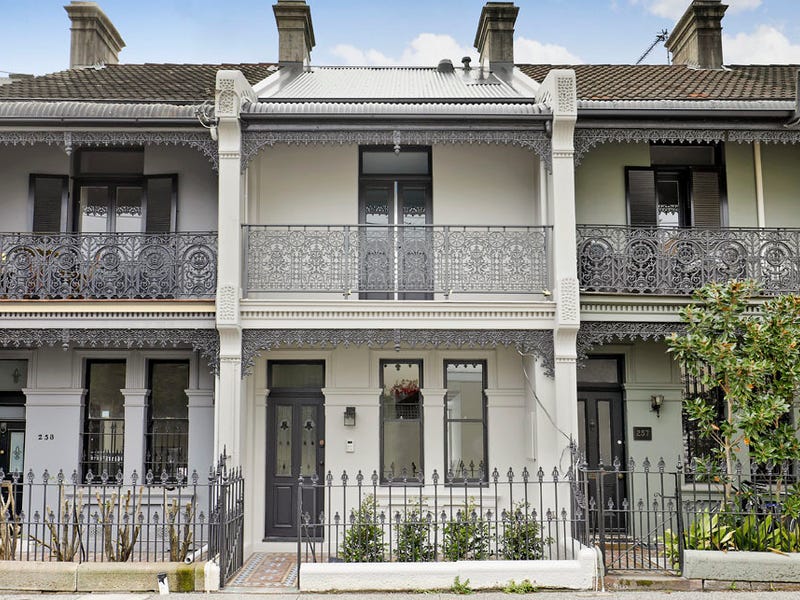
The journey of assessing a heritage home in Paddington is both intricate and rewarding. By prioritising thorough inspections, expert consultations and careful analysis of both legal and market factors, buyers agents equip purchasers with the confidence to embrace a property’s historical allure while navigating its modern challenges.
Every step-from initial research to the final purchase-is underscored by a commitment to preserving heritage while safeguarding investment. The melding of rich architectural history with current market trends reveals that heritage properties, when managed wisely, can be both a cultural treasure and an economic asset.
See Also: Why buyers advocacy randwick is common in competitive auction campaigns